Temporary protection in Poland for Ukrainians: UKR status
Temporary protection in Poland for Ukrainians
Questions about legalising the stay of Ukrainian citizens in Poland remain among the most important migration topics in 2026. The temporary protection document in Poland and the document confirming that there is no temporary protection are two key papers that define the legal status of Ukrainian refugees and displaced persons. Understanding the details around these documents helps thousands of Ukrainian citizens exercise their rights to legal stay, work, education and healthcare in Poland.
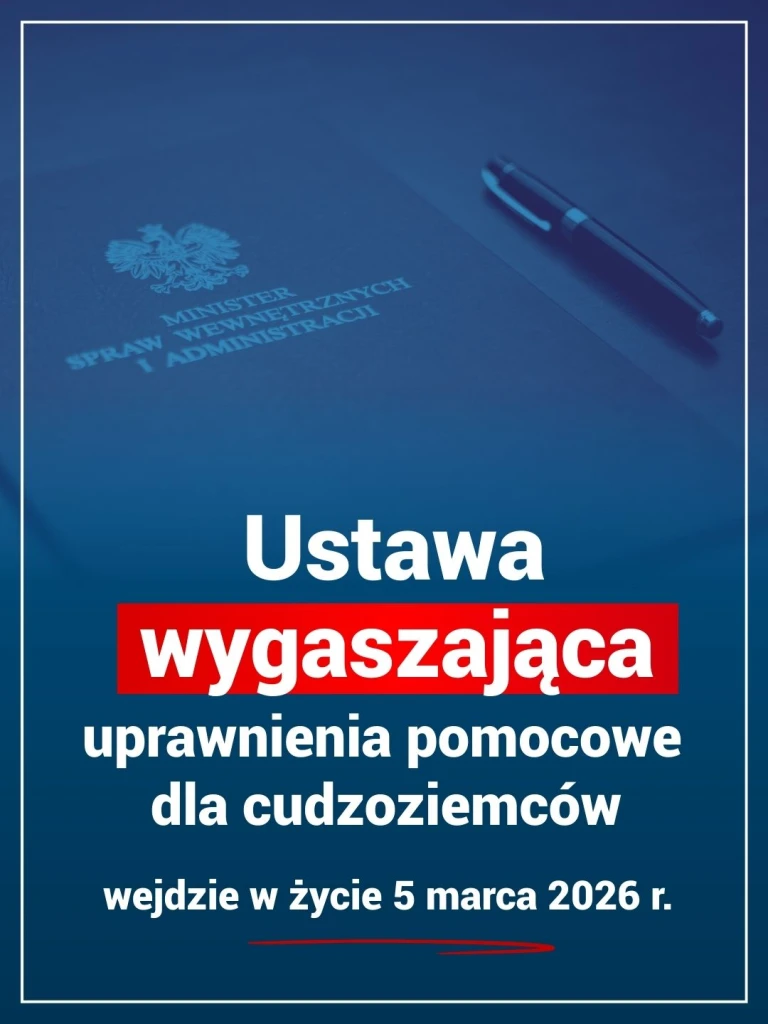
It is especially important to know how to prepare the required paperwork, what changed after 5 March 2026, and how you can withdraw from temporary protection in Poland when your circumstances call for it. The law firm ONE PLUS supports foreigners with document procedures and end-to-end residence legalisation — without promising a guaranteed outcome.
What temporary protection for Ukrainians means
One point needs clarifying straight away: when sources mention temporary protection for Ukrainians “after 5 March 2006”, they almost always mean 5 March 2026. That is the date when major changes to Polish migration rules affecting Ukrainian citizens entered into force. The “2006” wording is a recurring technical error; the correct phrase — “after 5 March 2026” — reflects the current legal reality.
Under the adopted rules, temporary protection for Ukrainians after 5 March 2026 means an automatic extension of status for Ukrainian citizens who entered Poland after 24 February 2022 and obtained PESEL UKR status. The extension runs until 4 March 2027, giving people time to plan a longer stay in Poland or a return home.
The temporary protection document itself changed in name and function. It was previously known as Diia.pl; from 5 March 2026 it is officially called the Dokument ochrony czasowej (temporary protection document). It confirms lawful residence status and grants a broad set of rights similar to those available to PESEL UKR holders. In practice, many people also handle related PESEL formalities alongside it.
Main functions of the temporary protection document in Poland
The temporary protection document in Poland is an official state document confirming a foreigner’s right to stay lawfully in the Republic of Poland under the temporary protection programme. It is essential for Ukrainians who used simplified registration after Russia’s full-scale invasion of Ukraine began.
The document serves several core purposes. First, it works as an identity document for a foreigner on Polish territory. Second, it confirms the right to work and run a business. Third, it underpins access to public services, healthcare and social benefits. Finally, it allows border crossings into and out of Poland without extra visas or permits.
In practical terms, the temporary protection document is integrated into the mObywatel digital ecosystem, so holders can use e-government tools. That makes interaction with public offices, banks, medical providers and other organisations that need proof of identity and residence status much smoother.
How to obtain the temporary protection document in Poland
Getting the document requires a clear sequence of steps and the right package of papers. The first stage is preparing proof of Ukrainian citizenship and lawful stay in Poland. As a rule that means an international or internal Ukrainian passport plus any documents showing entry into Poland after 24 February 2022.
The second mandatory element is a statement that return to Ukraine is impossible because of hostilities. It is completed on a special form and confirms that the applicant cannot safely return home due to the ongoing armed conflict. This statement is a key basis for granting temporary protection.
The third element covers kinship documents if children or other family members also seek temporary protection. These may include birth certificates, marriage certificates or papers confirming guardianship or custody. A sworn translation of foreign civil-status documents is often required.
You can file for the temporary protection document in several ways. The most common route is an in-person visit to Offices for Foreigners (UDSC) in Warsaw and Biała Podlaska. Filing via the ePUAP platform is also available and can speed things up. Postal or email submission is allowed, but usually takes longer.
After the documents are filed and checked, the authority sets a date to collect the finished certificate. At collection you must present originals for comparison with the copies. ONE PLUS supports clients at each stage: we help organise paperwork and keep to deadlines, without guaranteeing the authority’s decision.
Rights and duties of temporary protection holders
Holders of the temporary protection document in Poland enjoy a wide range of rights that make their stay more predictable and safer. Below are the main categories.
Proof of lawful stay is the document’s primary function. From 5 March 2026, all Ukrainian citizens with PESEL UKR status are automatically covered by temporary protection. Their stay in Poland is fully lawful and cannot be challenged merely for lack of another title. The document is the official confirmation of that status in any check.
Access to healthcare is one of the most important benefits. Free medical care is available to children under 18, people who work and pay insurance contributions, vulnerable groups (pregnant women, older people, persons with disabilities) and victims of violence. Other people under temporary protection may receive healthcare on terms similar to other foreigners holding a residence document.
Social support includes multiple programmes and payments. Among the best known are the monthly 800+ benefit, the “Dobry Start” programme (PLN 300+ per child at the start of the school year) and “Aktywny Rodzic”, which supports parents caring for children. These payments meaningfully ease the financial pressure on families who had to leave Ukraine.
The right to education guarantees children access to free schooling in Polish schools and kindergartens. Education preferences apply until the end of the current school year, after which a shift to standard rules for foreign nationals is planned. Ukrainian children often continue to have priority in enrolment.
Employment is another major advantage. Document holders may work in Poland without an extra work permit — both as employees and as business owners. Employers can hire them under a simplified procedure, which speeds up starting a job.
Document confirming that there is no temporary protection
The document confirming that there is no temporary protection is an official state certificate stating that a foreign national does not hold temporary protection status in Poland. It may be needed in many life situations and is an important piece of migration paperwork.
It may be needed by Ukrainian citizens who entered Poland before 24 February 2022 and never received temporary protection; by nationals of other countries who never applied for temporary protection; and by people whose temporary-protection application was refused.
The certificate can be required when continuing work or studies if an employer or school wants clear confirmation of status. When applying for visas or other residence permissions abroad, consulates often ask for proof of the current immigration status. When legalising stay on another basis — for example work, business or family reunification — you may need to show that you are not under temporary protection. In parallel, many people prepare a residence permit application.
Obtaining the document requires an application to the competent authority. ONE PLUS helps draft the application, gather supporting certificates and communicate with migration services so formal gaps and unnecessary delays are less likely — without guaranteeing the decision.
How to withdraw from temporary protection in Poland
In some situations foreigners decide to give up temporary protection status. The question of how to withdraw from temporary protection in Poland is governed by Polish migration law and follows a defined procedure.
Common reasons include moving to another EU country for permanent residence, switching to another migration route (for example a residence permit based on work or business), returning to Ukraine permanently, or a personal decision to stop using the temporary protection programme.
The withdrawal procedure has several mandatory stages. First, you file a written application with the Office for Foreigners. The application should be in Polish and include personal data, the PESEL UKR number, the date of entry into Poland and the reasons for withdrawal.
Second, you provide documented grounds for the decision. These may include employment papers in another EU country, proof of admission to a school abroad, evidence of buying property in another country, or any other documents that justify ending the status.
Third, you obtain an official confirmation of withdrawal. This paper is critical because it proves that the status has ended and may be required for further legalisation in Poland or another country. It typically includes the date the status ended, the reasons and other essential information.
ONE PLUS lawyers support the full withdrawal process: document review, advice on legal consequences, application drafting and communication with authorities. The aim is to preserve options for later legalisation and reduce the risk of complications. It is often useful to discuss the case first in a legal consultation.
Temporary protection and further legalisation prospects
Temporary protection in Poland has been extended until 4 March 2027. That gives Ukrainian citizens time to plan their next legal status. After the period ends, several paths for further legalisation of stay in Poland become relevant.
The most common option is applying for a residence card (temporary residence permit). This route suits people who plan a longer stay and have work, a business or family in Poland. It requires a complete document package and careful timing. Proof of registered address is often needed as well.
A second option is the new CUKR card issued for three years as a transitional solution. It simplifies legalisation for people who have not yet chosen a final status but want to keep the right to stay in Poland.
A third option is long-term EU resident status. It is available after five years of continuous lawful stay in Poland and opens the door to permanent residence across EU countries. Over a longer horizon, some clients also consider Polish citizenship.
ONE PLUS supports the transition from temporary protection to longer-term residence: preparing documents, filing applications, monitoring deadlines and advising on related questions. We do not guarantee a positive decision — we help run the case correctly and transparently.
The role of the ONE PLUS law firm
ONE PLUS supports foreigners, including Ukrainian citizens, with residence legalisation in Poland. We take a comprehensive approach to migration matters so clients understand the next steps and can move through formalities with more clarity.
Core services include help obtaining the temporary protection document, support with PESEL UKR, advice on withdrawing from temporary protection, assistance with the certificate confirming no temporary protection, and full support when moving to another temporary or permanent residence route.
Particular value comes from help integrating the temporary protection document into the mObywatel app. Clients can then use public e-services, banking and medical providers through one digital ecosystem.
We also assist people who fall outside standard temporary-protection rules and need a certificate confirming that they do not hold that status. Our team has experience with non-standard cases and knows how to prepare documents in a way that reduces the risk of formal refusal or return of the file.
We treat each client individually: we check deadlines, Polish legal requirements and notify clients about migration-rule changes that may affect their case.
It is worth stressing that the temporary protection document does not replace every other migration formality. If you plan a longer stay, employment under a contract or running a business, check early whether your path also requires a residence card or updates in public registers. In practice many people combine temporary protection with everyday tasks: opening a bank account, signing a rental agreement, enrolling a child in school or registering with a family doctor. The earlier you organise the paperwork, the lower the risk that an important deadline falls during the busiest period at the offices.
A separate issue is the difference between PESEL UKR status and the physical or digital temporary protection document. The PESEL number with the UKR annotation is often the first and most important identifier in the system, while the Temporary Protection Document (formerly Diia.pl) confirms status in dealings with institutions and at the border. Missing an up-to-date digital document in mObywatel does not always mean loss of the right to stay, but it can complicate daily affairs. That is why in 2026 questions about renewal, updating or regenerating the document in the app appear so often.
When filing with the Office for Foreigners, a consistent presentation of your entry and stay history is essential. The authority checks, among other things, the border-crossing date, the basis of entry and whether you still meet the conditions for temporary protection. Errors in name transliteration, an outdated address or a missing translation of a civil-status act can stretch a case by weeks. Prepare the full set before you book an appointment: passport, PESEL UKR, family documents, the statement on inability to return and — where relevant — decisions or certificates from earlier migration cases.
For families with children, temporary protection has an extra dimension: access to school, benefits and healthcare depends on the correct status of parents and guardians. If one parent changes the basis of stay (for example by applying for a residence card), check the effects on the rest of the family first. In some situations it is better to keep temporary protection until the period ends; in others an earlier move to a CUKR card or a standard residence card is wiser. The decision should follow concrete work and family plans, not generic online advice.
People who want to withdraw from temporary protection should carefully weigh the consequences. Ending the status may mean losing some benefits and simplified labour-market access if you do not yet have another solid residence basis. Before you file a withdrawal request, make sure a replacement path is ready: a valid residence card, another form of international protection or a realistic departure plan. A certificate confirming the absence of temporary protection is also needed when an employer or consulate wants clarity that you are not using two statuses in parallel.
Across 2026 and 2027 many people will move from temporary protection to more “classic” legalisation routes. That is a natural stage: temporary protection is an emergency framework, while a residence card, a CUKR card, long-term EU resident status or — over a longer horizon — Polish citizenship are paths built for years. Start preparing earlier: gather employment contracts, income proof, housing documents, insurance and translations. The more complete the dossier, the calmer communication with the voivodeship office tends to be.
ONE PLUS works in Wrocław and remotely with clients across Poland. We help assess whether your situation calls for keeping temporary protection, applying for a certificate that you do not hold it, or preparing a move to a residence card straight away. We work with documents, deadlines and current office requirements — without promising a “guaranteed success”. If you need support, write via the contact form or book a consultation with Tatiana Vyborna: together we will set an action order that fits your case.
Finally, keep a practical 2026 checklist: (1) check the validity of PESEL UKR and the temporary protection document in mObywatel, (2) make sure personal data and address are up to date, (3) gather family documents with translations, (4) plan your path after 4 March 2027, (5) do not withdraw from temporary protection blindly if you have no ready alternative. That sequence reduces the risk of formal problems and leaves time for calm decisions.
Practical scenarios until March 2027
Beyond the general rules, it helps to turn the topic into concrete life situations. Many people already hold the temporary protection document and PESEL UKR, yet are unsure which steps to take now and which can wait. Below is a practical map: what to check, how to protect your family, and how to prepare a move to another residence basis before the horizon ends on 4 March 2027.
Checklist for documents and status
Start with data consistency. Compare your passport, PESEL UKR, the mObywatel entry and any certificates from the office. Differences in surname spelling, date of birth or address often block a later residence permit application, benefits or employer registration. If your PESEL number looks outdated or UKR status in the app does not match your papers, fix that point first — before you file anything else.
The second checklist item is address and registration. Offices, schools, ZUS and NFZ increasingly ask for proof of residence. Missing current address registration does not always cancel temporary protection, but it complicates mail delivery and preparation of a file for another legalisation route. The third item is civil-status documents for children and a spouse: if you plan a joint application, order a sworn translation of birth and marriage certificates in advance.
It is also worth assembling your stay history: entry stamps, earlier decisions, employment contracts, ZUS confirmations and the child’s school paperwork. When you move to a residence card or withdraw from temporary protection, those materials shorten explanations and reduce the risk of a formal return of the file.
Family, children and joint cases
Temporary protection usually covers the whole family, but practice is often more complex. A child born in Poland, a minor without a full set of civil-status acts, or a partner without PESEL UKR each need a separate check. Before filing joint documents, confirm that every family member shares the same protection horizon and that registry data match. Mismatches between parents and children are one of the most common causes of delay.
For school and kindergarten matters, the temporary protection document still opens access to education, but schools increasingly ask for a current address and proof of guardianship. If you plan a status change — for example moving to a work-based residence permit for one parent — plan at once how the children will be covered in the document package. The same applies to 800+ and family programmes: a status change may affect entitlements, so a decision to withdraw from protection should follow a clear review of consequences.
Travel, borders and mObywatel
The temporary protection document makes it easier to cross the Polish border and return, but it does not replace a passport and does not automatically solve every issue in other EU countries. Before a longer trip, check whether prolonged absence could affect UKR status, and whether documents in mObywatel are active and readable. App problems, an expired digital document or an inconsistent PESEL most often surface at the border or during an identity check.
If you plan to move to another EU country, first assess whether you need a formal withdrawal from temporary protection in Poland and a document confirming that there is no temporary protection. Some foreign consulates and offices require clear proof that you are not using the Polish programme in parallel. In such cases an early legal consultation helps, because the order of steps often matters more than the form itself.
Preparing for a residence card and CUKR
The horizon until 4 March 2027 does not mean you should wait until the last moment. People with an employment contract, a sole proprietorship or strong family ties should gather a residence-card file earlier: contract, income proof, insurance, address registration and a history of lawful stay. For some clients the three-year CUKR card is a better bridge — especially if they have not chosen a final route yet but want to avoid a status gap.
Entrepreneurs considering business activity should also review the rules for running a JDG and how UKR status interacts with ZUS and taxes. Drivers and logistics workers often combine the residence topic with formalities around driving licence exchange — because a change of residence document affects licence validity timelines. The earlier you align both tracks, the less friction you face at offices.
Over a longer horizon, some people aim for long-term EU resident status or Polish citizenship. Temporary protection is not an automatic halfway mark, but well-documented lawful stay, continuous insurance and sound migration decisions build a history that offices later review. Treat the current period not as a pause, but as time to get your paperwork in order.
Common mistakes to avoid
The most common mistake is postponing everything “for later” because protection has been extended. The second is withdrawing from status without a plan for further legalisation. The third is filing applications with inconsistent passport, PESEL and family-act data. The fourth is confusing Diia.pl with the new temporary protection document and assuming an old app entry will suffice in every check.
Also avoid filing parallel applications “just in case” without a strategy: the office may then see conflicting goals. It is better to choose one path — keep protection, move to a residence card, use CUKR, or withdraw with a certificate of no protection — and close the documents under that scenario. ONE PLUS helps build that action map, check the file and deadlines, without promising a guaranteed decision from the authority.
Closing recommendations
Temporary protection and residence legalisation in Poland require careful attention and timely decisions. The temporary protection document in Poland is the foundation of legal status for thousands of Ukrainian citizens, and getting it right opens access to essential services and rights.
The document confirming that there is no temporary protection is equally important for people who, for various reasons, are outside the programme and need official proof of status — for work, study, other migration routes or contact with foreign consulates.
Information on how to withdraw from temporary protection in Poland matters for anyone changing status or moving to another country. The procedure needs careful preparation and a correctly assembled document set.
Understanding temporary protection for Ukrainians after 5 March 2026 helps you make informed choices about the future and stay compliant with Polish law. If you want to discuss your situation, contact Tatiana Vyborna via our contact form or book a legal consultation. We will help organise documents and next steps — without guaranteeing the outcome of your case.
Temporary protection in Poland 2026 — UKR status and documents
After the 2026 changes, people ask about the protection document, leaving UKR status and staying further in Poland. Tatiana Vyborna and the ONE PLUS team — stay legalisation specialists since 2015 — first confirm your current status, then suggest next steps.
We most often connect PESEL / PESEL UKR, a residence card, address registration and sometimes citizenship. Translations and stamps go through sworn translation and apostille so you do not run two disconnected tracks.
How we handle UKR cases
We check whether you keep protection or deliberately resign, which deadlines apply and which papers the office will accept. We work across Poland — Wrocław office, remote support in other voivodeships. We do not guarantee an office decision — we give a plan, checklist and filing support.
If after March 2026 you need confirmation of no protection or a document for an employer, we explain where to obtain it and how to link it with further legalisation. Every case differs — we start with a short call, not a ready-made “UKR package”.
Book a consultation
Questions about temporary protection in Poland in 2026? Write via contact or book legal advice. We help tidy your status and point to a sensible next step.
