Priority professions for a Polish residence card
Which professions get a residence card faster
In early February 2026, Poland’s Ministry of Family, Labour and Social Policy sent for public consultation a draft regulation listing shortage occupations. This official list of shortage occupations defines groups of specialties where the country faces an acute staff shortage. For foreign nationals planning a residence permit (temporary residence card) based on work, this matters a lot: these professions can meaningfully simplify and speed up legalisation.
Why is the draft sparking so much discussion among expats, employers and migration specialists? Below we break the topic down step by step so you can see how it affects relocation or employment plans in Poland.
Why shortage professions matter for foreigners?
Getting a residence card for work (temporary residence permit for the purpose of work) is one of the most popular legalisation routes in Poland for non-EU citizens. The process can still drag on for months because of bureaucracy, checks and queues at voivodeship offices. Being on the shortage list brings several advantages:
- Faster case review: instead of a typical wait of 8–14 months, the process may shrink to 3–7 months, depending on the voivodeship and the authority’s workload.
- No labour-market test: usually the employer must prove that no suitable candidate was found among Poles or EU citizens (via information from the starosta). For shortage professions this requirement is often waived, which simplifies filing.
- Higher chances of approval: voivodeship offices and consulates receive a clear signal from the ministry: “we need these specialists urgently”. That raises the likelihood of a positive decision if the remaining documents (contract, insurance, housing) are in order.
For example, if you are a truck driver or a nurse, your application may be handled with priority. That is especially useful for people already working in Poland on a visa who want to extend their stay without risking loss of lawful status.
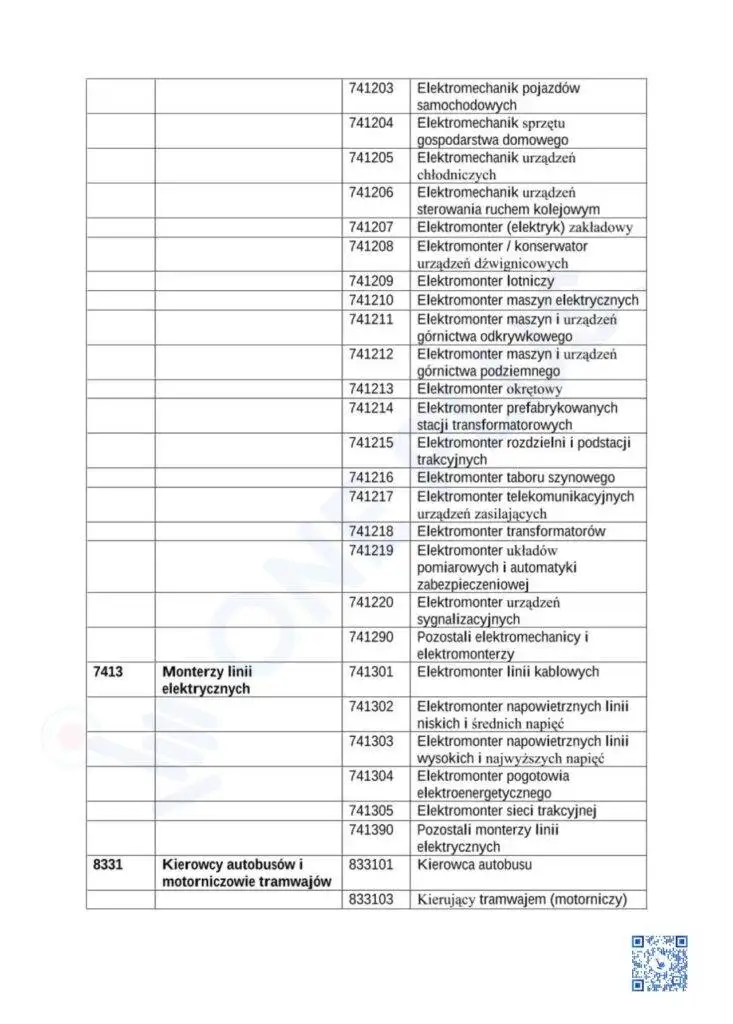
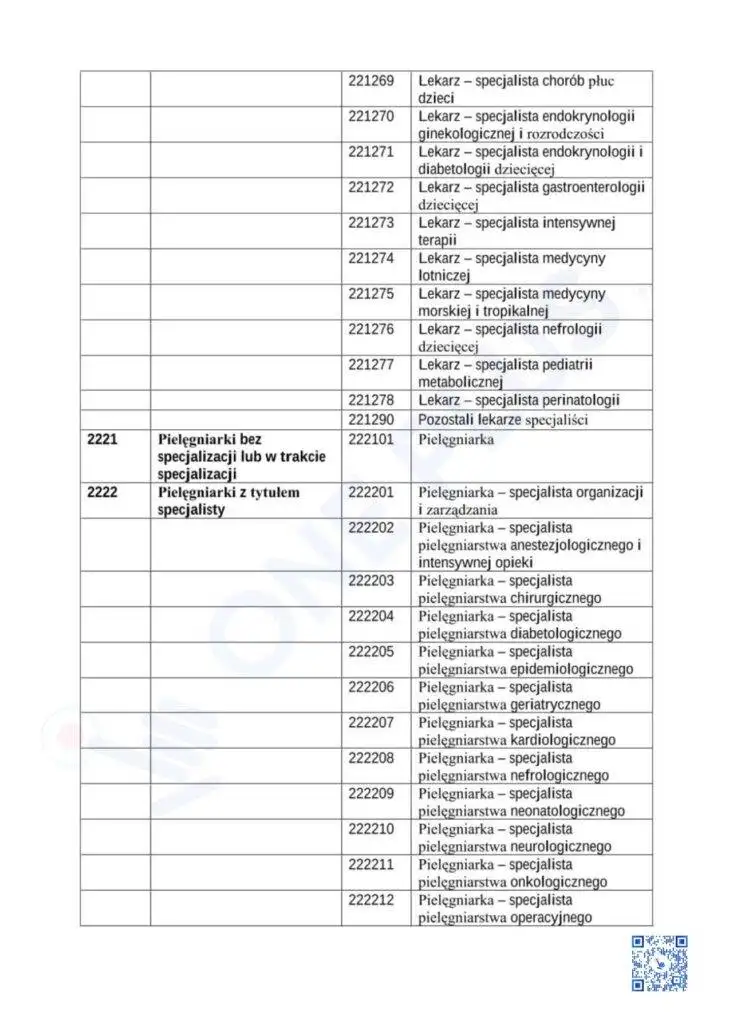
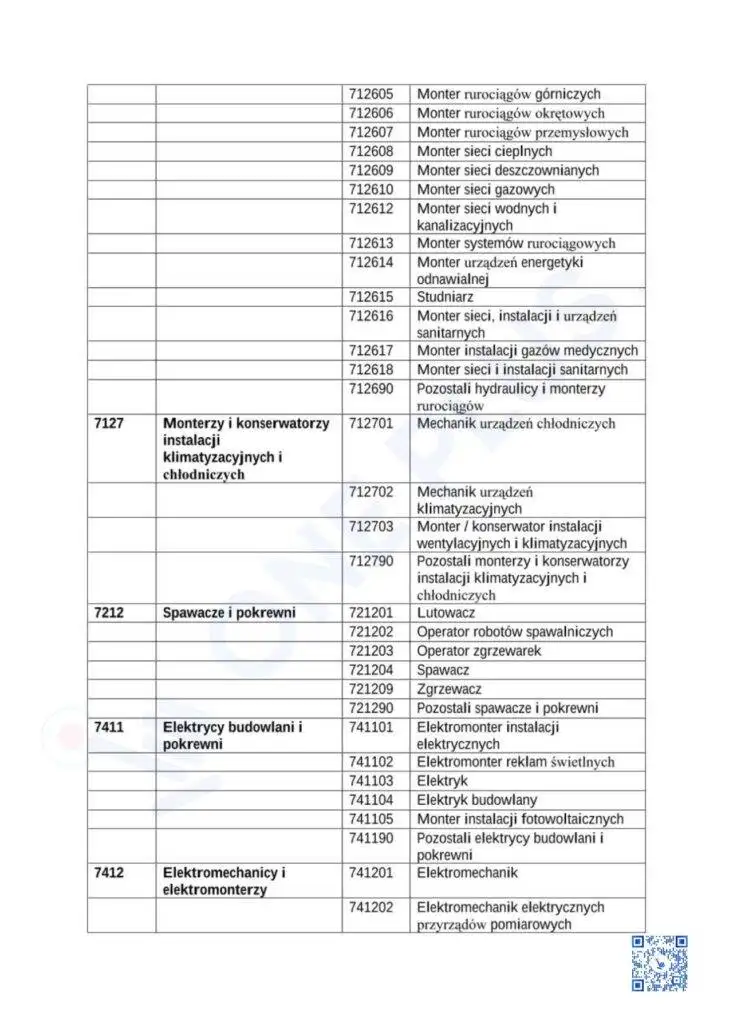
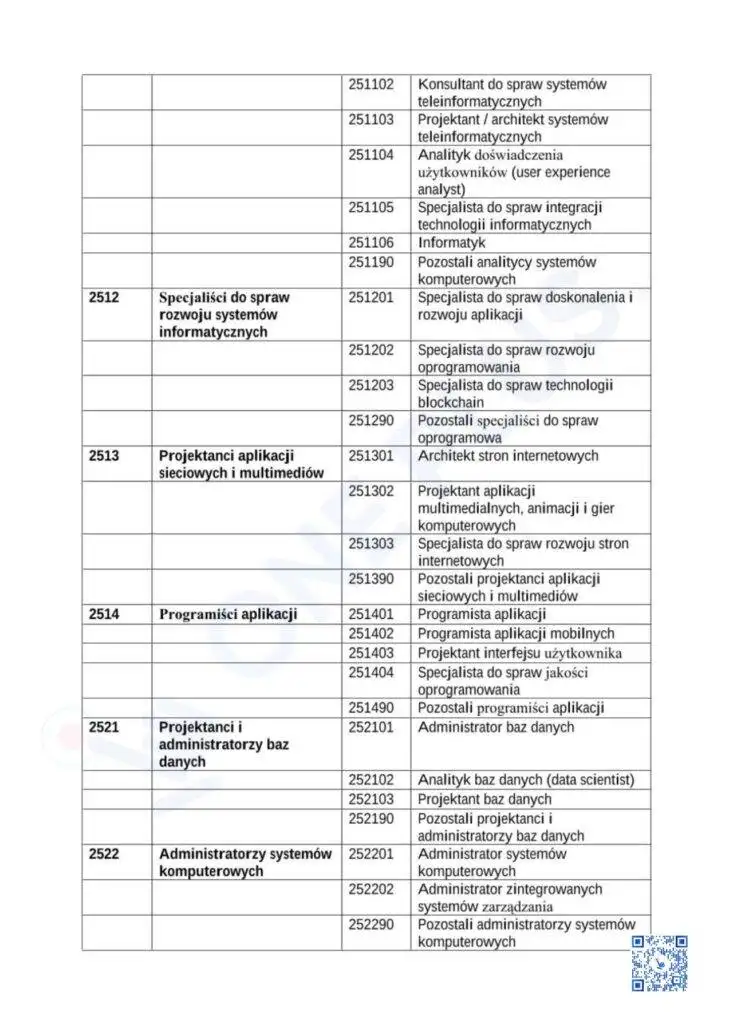
How the shortage profession list was built?
The ministry did not invent the figures. It relied on objective criteria based on labour-market analysis for 2025 and Barometr zawodów forecasts for 2026. Key indicators include:
- Nationwide shortage: the profession must be recognised as shortage across Poland according to Barometr zawodów.
- Ratio of unemployed people to vacancies: fewer than 5 unemployed people per open vacancy.
- Total number of unemployed people: fewer than 5,000 people nationwide in that specialty.
- Demand for foreign workers: more than 1,000 documents legalising foreign employment in that profession in the first half of 2025 alone.
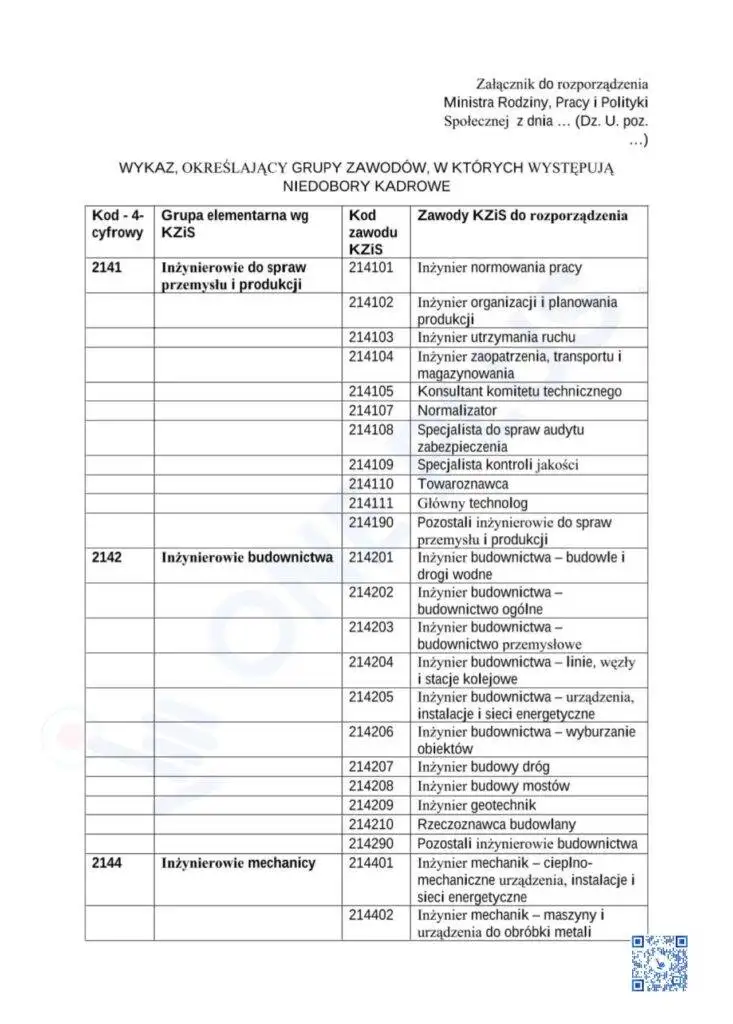
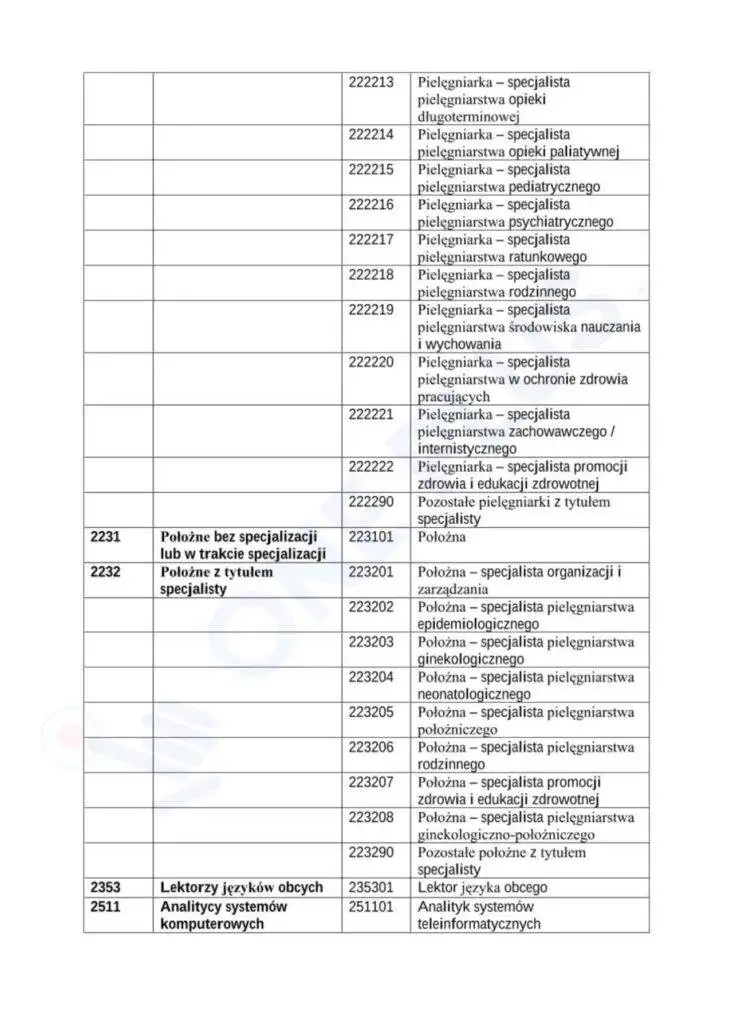
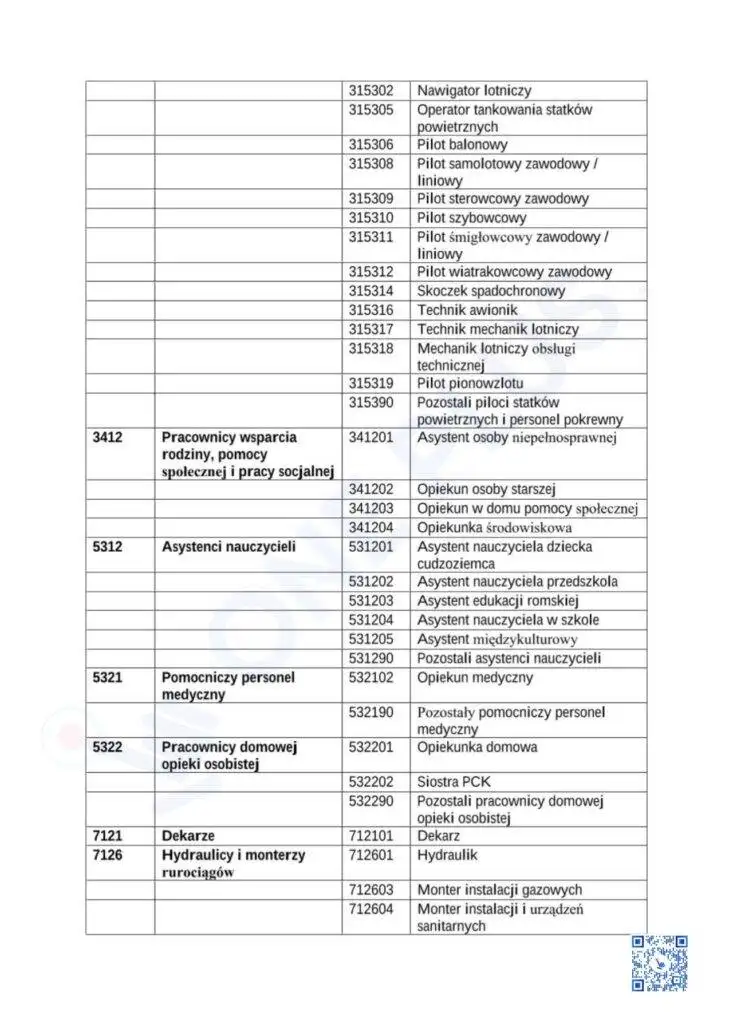
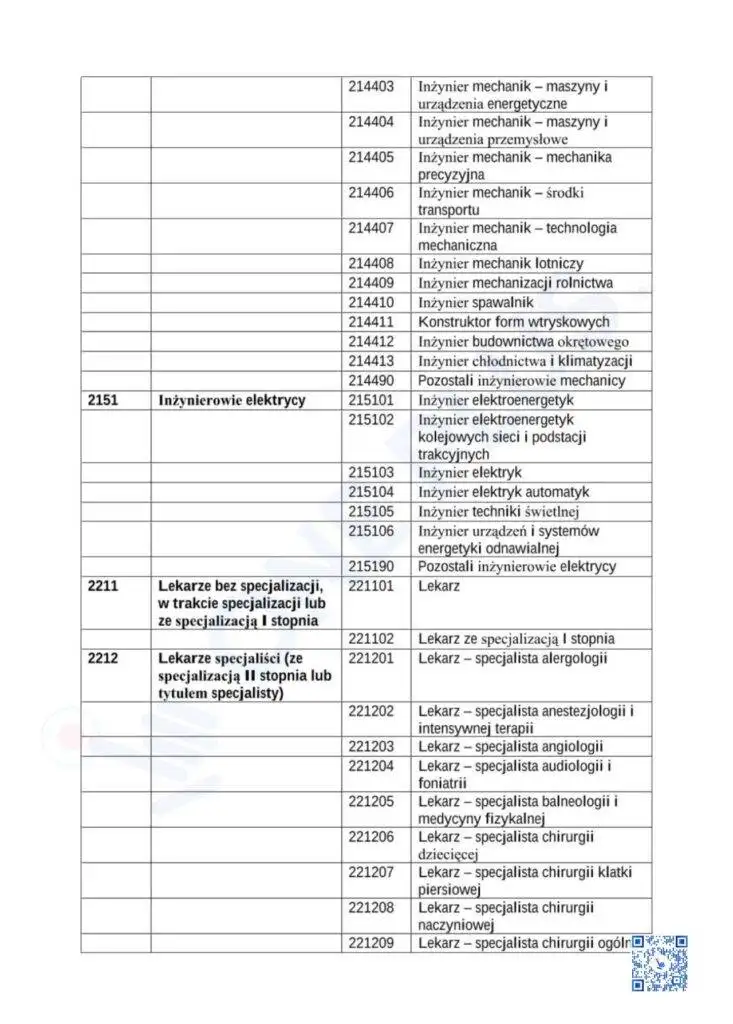
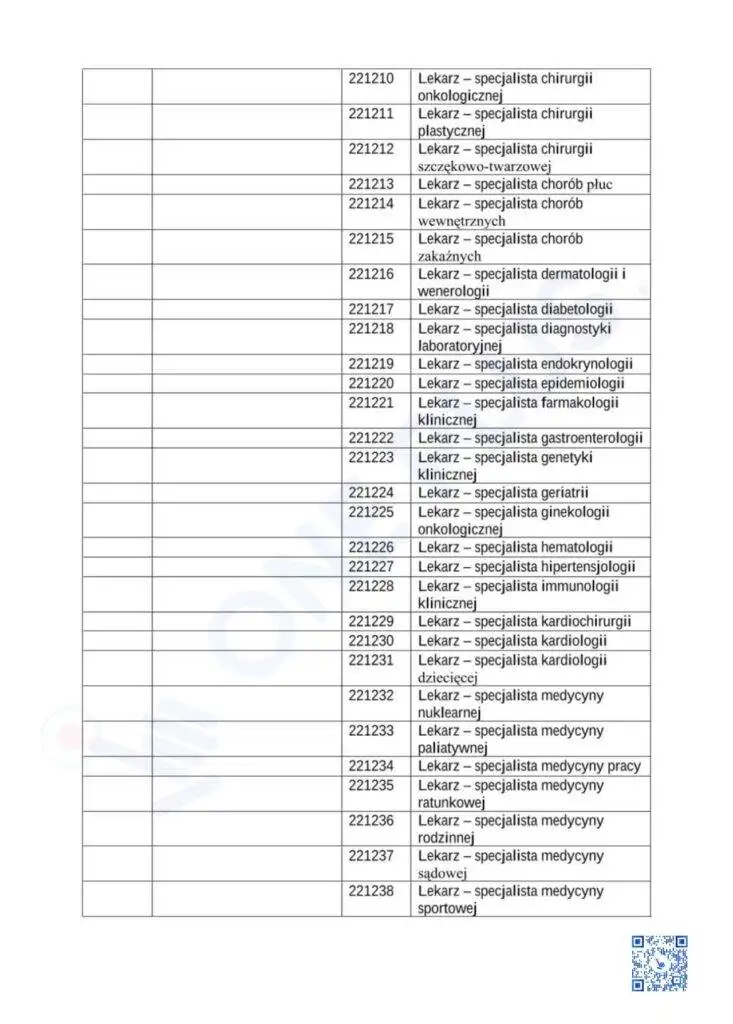
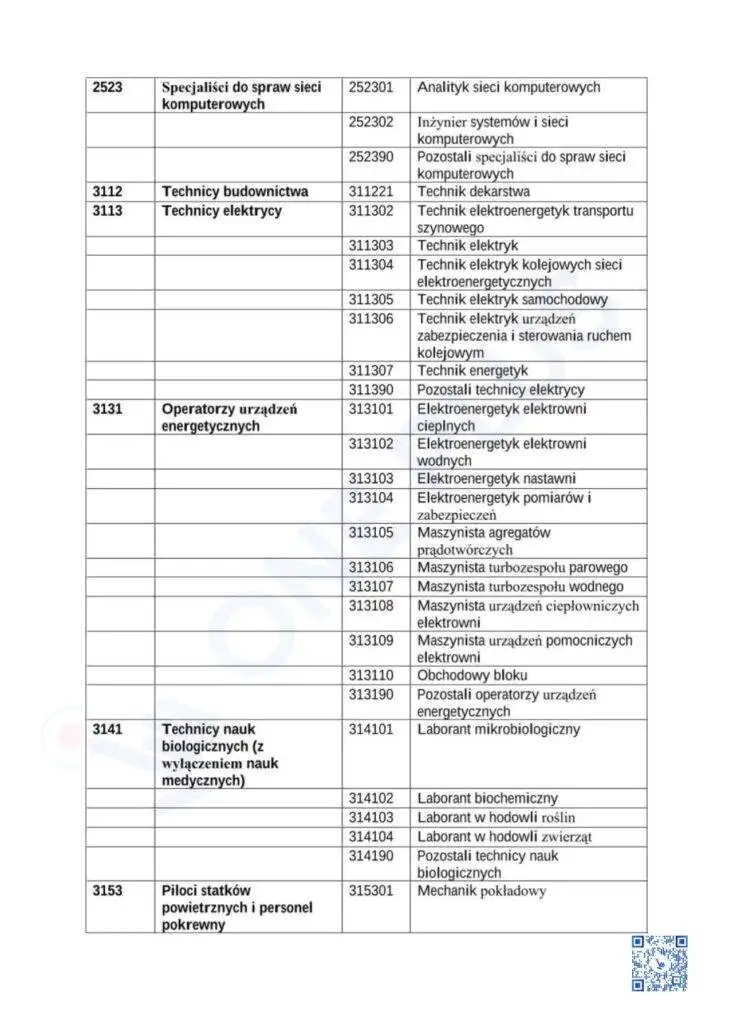
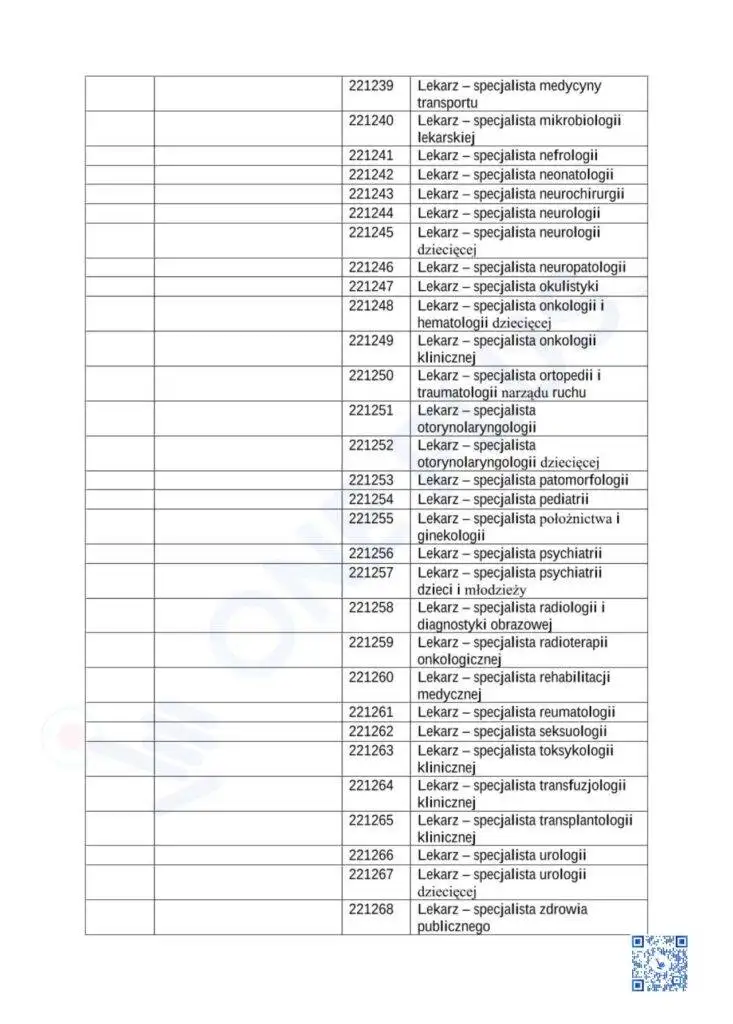
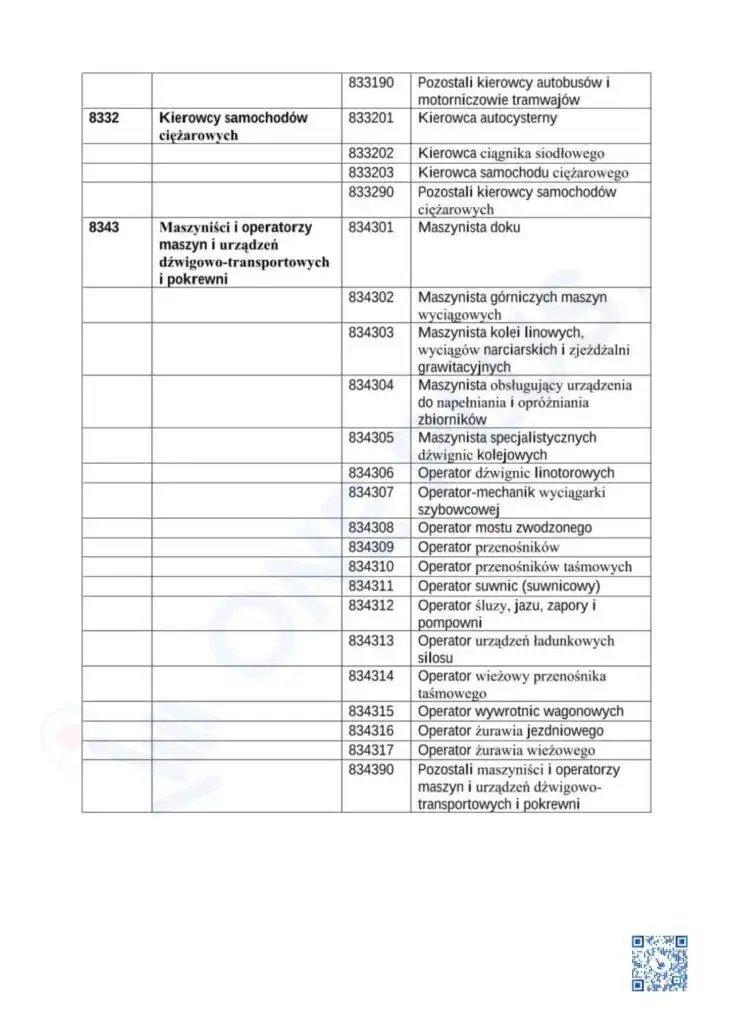
The result is a list of 329 professions grouped into 37 groups under the KSiZ classification (Klasyfikacja Zawodów i Specjalności). This approach improves transparency and targets the real needs of Poland’s economy, which continues to grow in manufacturing, logistics and healthcare.
As an example: in 2025 Poland faced a sharp shortage of truck drivers because of export growth and logistics chains. That put the profession on the list, and foreign drivers can now obtain work authorisation more easily.
Main groups of priority professions
The list covers a wide range of industries, from high-tech to skilled trades. Below are the most visible groups, with examples of specialties that can help with a residence card. The full list is available on legislacja.gov.pl (draft no. 92).
Medicine and healthcare
This is one of the broadest and most priority categories, given Poland’s ageing population and pressure on the healthcare system. Included are:
- Doctors of various specialties (GPs, surgeons, paediatricians).
- Nurses and midwives.
- Paramedics, physiotherapists and rehabilitation specialists.
- Carers for older people and persons with disabilities, home-care assistants.
- Psychologists and psychotherapists.
If you are a nurse from Ukraine or Belarus, your profession can help you bypass several bureaucratic barriers — especially in voivodeships with many older residents, such as Mazowieckie or Śląskie. A sworn translation of diplomas and certificates is often needed as well.
Transport and logistics
With growth in e-commerce and international trade, Poland needs transport specialists. Key professions:
- Drivers of trucks, tractor units and buses.
- Train and tram drivers.
- Warehouse workers and logistics specialists at larger scale.
Drivers with international licences are especially in demand because the local staffing gap is critical. With experience in this field, a residence card can often be obtained relatively quickly, with fewer extra checks. Drivers frequently also need to handle driving licence exchange.
Construction and installation work
Poland’s construction boom (infrastructure and housing) needs skilled hands. The list includes:
- Electricians and electrical engineers.
- Plumbers, welders and systems installers.
- Roofers, concrete workers, carpenters and bricklayers.
- Operators of earthmoving and construction machinery.
These professions suit people looking for stable work with higher pay (often PLN 4,000–6,000 net) and do not always require higher education.
IT and engineering
Poland’s tech sector is growing fast and attracting talent from around the world. Priority specialties:
- Programmers, application developers and systems analysts.
- Cybersecurity specialists and database administrators.
- Engineers (mechanical, electrical, civil, production technologists).
- CNC machine operators and mechatronics specialists.
IT specialists — even when not every subgroup is on the list — often use the Blue Card (Niebieska Karta) for highly qualified workers. That brings extra benefits such as a higher salary threshold and a simplified procedure.
Education and the social sphere
With staffing shortages in schools and social institutions, the list includes:
- Teachers (vocational practice, general and vocational subjects).
- Teaching assistants, kindergarten educators.
- Speech therapists, special-education teachers and specialists in special schools.
This path suits educators with experience, especially if you speak Polish at B1–B2 level.
Other in-demand sectors
Do not overlook cooks in specialist segments (hotels or restaurants), energy workers, locksmiths and mechanics. These professions can also give an advantage when applying for a residence card.
Important warnings and changes in 2026
Despite the advantages, do not build false expectations. Here are the key points to keep in mind:
This is not yet a final document
The draft is still in consultation and inter-ministerial alignment. Amendments are possible in the coming months, and the final version is expected in the second quarter of 2026. Follow updates on official websites so you do not miss changes.
Not an automatic guarantee of success
Even if your profession is on the list, a residence card is not issued “automatically”. You still need a real employment contract, a stable employer, sufficient income (at least PLN 3,010 gross in 2026), health insurance, proof of housing and a clean criminal-record position. In addition, 2026 brings updates in the MOS system (mos.gov.pl) for online filing, which may speed things up but requires an electronic signature. A PESEL number and registered address are often needed too.
Regional differences
Not every voivodeship treats the list the same way. In Warsaw or Kraków the process is often faster than in less busy regions. If your specialty is missing from the draft, it is not the end: many offices also look at local needs and Barometr zawodów.
Legal changes
In 2026 checks on “fictitious” contracts are expected to tighten, but shortage professions should keep priority. Updates are also possible for the Blue Card and cards for university graduates. Over a longer horizon, some clients connect residence plans with Polish citizenship.
If you are only planning a move, start by finding an employer (for example Pracuj.pl or OLX) and discuss the case with a migration specialist to avoid common mistakes.
What to do next?
This draft is a real opportunity for qualified specialists to speed up legalisation in Poland. If you are a driver, healthcare worker, engineer or another shortage-profession representative — check the full list and prepare documents early.
Want to organise the next steps?
Contact ONE PLUS — we help with residence cards and other documents for foreigners across Poland. Tatiana Vyborna and the team can guide you through the process: from reviewing an employment contract to filing at the voivodeship office. Write via the contact form or book a legal consultation. We do not guarantee case outcomes — we help prepare a complete file and a realistic action plan.
Shortage occupations 2026 and the residence card — what the list actually gives
The ministry shortage-occupations list in 2026 can mislead: the list alone does not finish the case. You still need a correct residence card application for work and proof of employment. Tatiana Vyborna and ONE PLUS — stay legalisation specialists since 2015 — check whether your job truly helps in your voivodeship.
Priority professions include healthcare, transport, IT and construction, but offices in 2026 still assess each file individually. It helps to know whether the employer, contract and role match requirements — before you file.
What else goes into the legalisation pack
Beyond the residence card you usually need PESEL, address registration and translations of foreign documents. If a diploma or certificate is missing, we link that with an apostille and translation so the application does not bounce back for gaps.
We work across Poland — Wrocław and remote support elsewhere. In the meeting you get an attachment list, notes on regulation risks and whether “priority” makes sense in your case. We do not guarantee a faster voivodeship decision.
Book advice before filing
If you work in a shortage occupation and plan a residence card in 2026, write via contact or book legal advice. We check whether your case qualifies for simplifications and what else to prepare.
