
How to Get a Karta Pobytu (TRC) in Poland in 2026
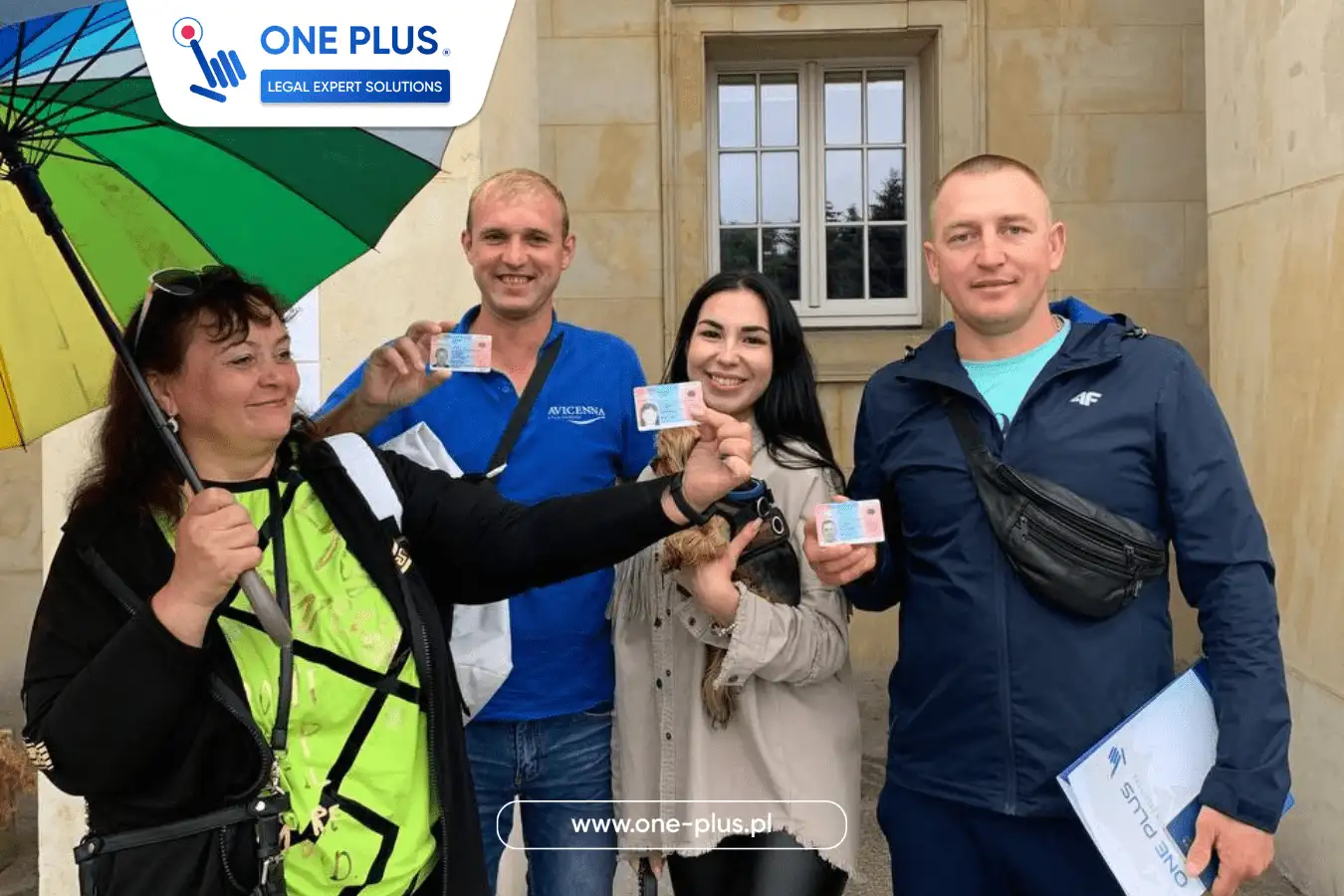
How to Get a Residence Card (TRC) in Poland in 2026
In 2026, Poland is introducing significant changes to migration legislation that will affect the process of obtaining a residence card (karta pobytu), work permits, and legalization of stay for foreigners. Key innovations include a full transition to electronic document submission through the MOS v2.0 system, an increase in the minimum wage to 4806 zł brutto starting January 1, a fourfold increase in fees for work permits, restrictions for citizens of certain countries (e.g., Georgia, Kazakhstan, Uzbekistan), and a special CUKR residence card for Ukrainians with PESEL UKR.
These reforms aim to digitize processes, tighten control over employment, and simplify procedures for those who meet the requirements. If you are looking for information on how to get a residence card in Poland in 2026, changes to the minimum wage, new application forms (wnioski), electronic signatures via e-Doręczenia, or temporary protection for Ukrainians – this guide will help you understand everything. It is important not to delay submission to avoid delays in processing, which already reach 12–36 months in some voivodeships.

The overall situation for foreigners in Poland remains stable, with an emphasis on integration and compliance with EU standards. The Polish government seeks to attract qualified specialists but is tightening rules for seasonal workers and those coming from countries with high migration risks.
According to UDSC data, more than 500,000 residence cards were issued in 2025, and an increase in applications is expected in 2026 due to the online system. However, delays in voivodeship offices (e.g., in Katowice or Kraków) may grow if you are not prepared in advance. At ONE PLUS, we recommend starting the process as early as possible to avoid issues with legal status.
Main Changes for Residence Cards in 2026
In 2026, the residence card process will undergo key changes related to digitization and economic requirements. Starting January 1, 2026, the minimum wage rises to 4806 zł brutto (approximately 3606 zł netto), directly impacting applications for residence cards based on employment. If your salary is below this level, your employer must provide an annex to the contract; otherwise, the application may be rejected. This applies to all foreigners applying for temporary residence based on employment.
One of the main innovations is the launch of the electronic MOS v2.0 system, which will allow online submission of applications without a personal visit to the office (except for fingerprinting). The system integrates electronic signatures via Profil Zaufany, qualified electronic signature, or e-dowód.
These changes will simplify the process for prepared applicants but complicate it for those unfamiliar with digital tools. We recommend creating a Profil Zaufany in advance.
Electronic e-Doręczenia System for Residence Cards
In addition, e-Doręczenia is introduced – a mandatory electronic system for communication with authorities, including voivodeship offices and other institutions. This means a full transition to digital communication: all notifications, summons, and decisions will arrive in your electronic inbox.
Changes from December 1, 2025, Regarding Foreigner Legalization
As of December 1, 2025, application forms (wnioski) and employer annexes (załącznik nr 1) have changed. New templates require more details on qualifications, document translations, and electronic copies. At ONE PLUS, we have already written about this in our previous post: Link to post: “Uwaga! Od 1 grudnia 2025 nowe akty wykonawcze dot. zatrudnienia cudzoziemców!”. If you are submitting documents now, ensure you use the current forms; otherwise, the application will be returned.
What Foreigners Should Do at the Beginning of 2026 in Poland?
Do not wait for the full launch of the MOS v2.0 system, as its complete implementation may be delayed – it is officially announced for 2026, but the exact date (possibly after March 4) is not confirmed. At ONE PLUS, we recommend submitting documents as soon as possible, before the changes take full effect. Delaying only increases processing times: in some offices (e.g., Katowice), waits reach 3 years. If you are in limbo without a card, you risk losing access to social benefits, work, and Schengen travel.
First, decide on your goal. If you just want to extend legal stay without needing the physical residence card, temporary permits may suffice.
But if your aim is to obtain a residence card and later Polish citizenship or EU long-term resident status, act quickly: apply for your first, second card, and accumulate the required legal stay period (minimum 5 years for EU resident, 10 for citizenship).
We provide full support – from document collection to appeals.
Changes in Employment of Foreigners in Poland
As of December 1, 2025, new employment rules for foreigners took effect and will continue in 2026. Fees for work permits have significantly increased: 200 zł for permits up to 3 months, 400 zł for over 3 months, 800 zł for delegation, and 100 zł for seasonal work.
This is four times higher than previous rates, particularly affecting workers from Kazakhstan, Uzbekistan, Bangladesh, Indonesia, India, Nepal, and other countries coming for earnings. Employers now need to provide more documents, including translations and qualification confirmations.
Especially challenging changes for Georgian citizens: previously, they could obtain oświadczenie o powierzeniu pracy (1–7 days), but now a zezwolenie na pracę typu A is required with a larger document package and longer processing times (up to several months). This will complicate employment, and the migration trend to Poland from Georgia may decrease.
Key updates from official regulations (Dz. U. 2025 poz. 1620, 1622, 1617, 1629):
- New fees for oświadczenia and zezwolenia.
- Unified document list for employers.
- All applications submitted online via praca.gov.pl.
- Foreign-language documents require sworn translation.
If you are an employer or foreigner – contact ONE PLUS for assistance with processing.
Temporary Protection for Ukrainian Citizens
Temporary protection (ochrona czasowa) for Ukrainians has been extended until March 4, 2027, by EU decision, confirmed by the Polish government. However, the Polish President vetoed some changes to the specustawa, but this did not affect the extension of protection. Recent statements from the President and MSWiA indicate a geopolitical trend: 2026–2027 will be a transitional period, after which Ukrainians will be treated like other foreigners.
Do not panic over calls to urgently apply for a residence card – this could overload offices. Applications can be submitted until the last day of legal stay (September 30, 2025 for some, but later with extension). Transition to CUKR residence card is possible only for certain categories: employment, business, or family reunification (Art. 158–159 of the Act on Foreigners). Pensioners and others without grounds cannot apply under “other circumstances” (Art. 187).
Protected certificates are automatically extended until March 4, 2027. Follow official sources like sejm.gov.pl.
CUKR Residence Card for Ukrainians in Poland
Issuance of the CUKR residence card for Ukrainians with PESEL UKR will start no earlier than March 4, 2026, as stated by UDSC. The process will be fully online via the MOS v2.0 portal: account creation, login via login.gov.pl, electronic signature (Profil Zaufany, qualified, or personal). Correspondence from the office via e-Doręczenia.
Key points:
- Card valid for 3 years, provides full labor market access without separate permit.
- Requirements: Ukrainian citizenship, UKR status on June 4, 2025, and on submission day, continuously 365 days.
- For children: similar, plus conditions for those born in Poland.
- Refusals: incomplete PESEL data, security threat, unpaid fees (340 zł + 100 zł for card).
- Advantages: counts toward EU long-term resident, Schengen up to 90 days.
- Disadvantages: cancels UKR, 15-day address change notification, loss if absent >6 months.
Submission free online, but with stamp duties. At ONE PLUS, we will help with preparation.
What Should Pensioners, Schoolchildren, and Students with UKR Status Do?
Since the war began, pensioners, schoolchildren, and students with UKR status cannot obtain a CUKR residence card until MOS v2.0 is implemented (2026). They remain under temporary protection until March 4, 2026.
Poland is transitioning to full online submission via MOS from January 2026: only electronic documents with signature (Profil Zaufany, etc.). One visit for fingerprints. Create a profile in advance. In Wrocław (Lower Silesia) and other regions, we recommend activating e-Doręczenia and setting up Profil Zaufany.
If you are not familiar with this, contact ONE PLUS.
What Should Unemployed Ukrainians with UKR Status Do?
Your status is legal until March 4, 2026, with likely extension to March 4, 2027, as the final transitional period. For long-term plans (EU resident or citizenship), apply for a residence card based on family reunification, employment, or business. The CUKR procedure is online, for 3 years, with UKR status requirement of 365 days.
Do not rush to change status without analysis – you will lose UKR benefits. Consult ONE PLUS lawyers.
What Should Seafarers from Ukraine with UKR Status Do in 2026?
If you are a Ukrainian seafarer in Poland under temporary protection (UKR status with PESEL UKR), the situation will change in 2026 due to the end of ochrona czasowa on March 4, 2026 (possible extension to 2027 as transitional). Our main recommendation at ONE PLUS is to wait for the launch of the special CUKR residence card procedure – a 3-year temporary residence permit giving full labor market access, including ship work, without additional permits.
The CUKR card will be available no earlier than March 2026 (exact date depends on MOS v2.0 launch), with fully online submission. If your UKR status remains valid and you meet conditions (continuous status at least 365 days, complete PESEL data), you can get this card for 3 years. Important: after issuing CUKR, UKR status is canceled, but you receive a stable residence title with right to leave up to 6 months without loss.
Feature for seafarers under UKR: per specustawa, you do not lose legal stay if absences from Poland are related to seafarer (marynarz) or fisherman work. This exception allows international voyages without risk of status cancellation for absence over 30 days. However, it applies only while temporary protection is active.
Alternatives for 2026:
- Opening JDG (sole proprietorship): Many seafarers register individual businesses in Poland – it provides flexibility for ship contracts and labor market access. At ONE PLUS, we assist with full registration, including CEIDG, ZUS, and necessary maritime certificates (if qualification confirmation needed).
- Family reunification: If spouse or close relative has residence card or Polish citizenship, apply based on reunification (Art. 159 of the Act on Foreigners). Stable option with work right.
- Standard residence card application based on employment: If you have a Polish employer (e.g., shipowner), apply in advance for zezwolenie na pobyt czasowy i pracę.
At ONE PLUS, we have experience supporting Ukrainian seafarers: from UKR status check and CUKR preparation to business registration or appeals. Do not risk illegal status – contact us for consultation in advance to choose the best path and avoid voyage issues. Reach us for individual analysis!
Situation in Voivodeship Offices in Major Polish Cities
As of December 1, 2025, application forms have changed (wniosek o udzielenie zezwolenia na pobyt czasowy) and employer supplements (załącznik nr 1), but they are not updated in electronic systems (MOS, inPOL, przybysz). Therefore, document submission at the beginning of 2026 is possible only in two ways:
- Online via MOS (old wniosek generated; after receiving application number, book date via wizyta.duw.pl, and at personal visit print and sign current form from December 1, 2025).
- By mail via Poczta Polska (most reliable and recommended by us at ONE PLUS) or through office registry (not recommended due to queues and error risks).
How to Apply for a Residence Card at the Beginning of 2026
At ONE PLUS, we communicate daily with clients from different Polish regions and see how office work varies across voivodeships. For some, document submission is quick and clear; for others, it is a real challenge with long waits. At the end of 2025, rules are transitional: new forms are in effect, but full online MOS v2.0 is not yet launched everywhere. We explain simply what is happening in major cities to help you choose where to submit and what to expect.
While the new MOS v2.0 system is not 100% operational, offices continue accepting documents under old reservations and rules. But everything changes quickly – follow official UDSC announcements.
Important: All offices will continue accepting cases under old reservations until official launch of full electronic MOS v2.0 (UDSC will announce date in advance). After launch, everyone switches to exclusive online submission without personal visits (except fingerprints).
If planning submission soon – do not delay. Contact ONE PLUS: we will suggest the best method for your voivodeship, check documents against new forms, and guide the entire process to avoid returns and delays.
Wrocław (Dolnośląski Urząd Wojewódzki)
Wrocław currently has the most favorable situation for those who booked earlier. It is the only voivodeship office in Poland continuing personal document acceptance under old reservations. Such visits will occur in January, February, and likely March 2026 – until full launch of new electronic MOS v2.0. If you have a scheduled date – come without worry; it will not be canceled. Many clients choose Wrocław for personal submission without hassle.
Warsaw (Mazowiecki Urząd Wojewódzki)
Warsaw saw changes first. Personal appointment booking via inPOL is fully disabled – no longer possible to book and bring paper documents. Now everything via MOS: fill application online and submit. Good news – cases processed faster than in most voivodeships. But key point: set up e-Doręczenia (electronic mail for official correspondence), as inspector may request additional documents. No timely response – processing delays significantly. We always help clients set up the system and respond quickly to office letters.
Katowice (Śląski Urząd Wojewódzki)
Katowice remains the most difficult voivodeship. Appointments canceled completely. Submission dates now assigned only by phone or other channels – sometimes takes days to get through. Processing times longest in Poland: 12 months to 3 years – real figures. Many foreigners tire of waiting.
But with ONE PLUS help, things change: even brand-new cases we complete in 8–12 months; if production already open – usually within a year. It is about proper document preparation and knowing how to communicate with inspectors.
Kraków (Małopolski Urząd Wojewódzki)
In Kraków, appointment booking has also been cancelled, and processing times have increased significantly — many applicants are now waiting 6–12 months or longer. Self-submission possible, but frequent supplement requests prolong everything. From experience: without lawyer help, easy to lose much time here. We always advise not to risk and contact specialists immediately – it truly speeds the process multiple times.
Gdańsk (Pomorski Urząd Wojewódzki)
Gdańsk has no personal appointments long time – all used to mail submission. Plus – quick fingerprint summons. But more minuses: inspectors thoroughly check documents, often request additional translations, certificates, or explanations. Even small error – application returned or supplements requested. We recommend preparing documents with lawyer for first-time success without delays.
Poznań (Wielkopolski Urząd Wojewódzki)
Poznań also canceled appointments; main method – mail via Poczta Polska. Cases move relatively quickly: without help, wait 10–18 months; with ONE PLUS, clients usually get card in 6–8 months. Many choose this voivodeship for calmer atmosphere and less bureaucracy.
Residence Card and Employer in Poland in 2026: Key Interaction Changes
In 2026, employment-based residence card process will undergo radical changes due to full digitization via MOS v2.0. One most significant innovation – direct inspector-employer interaction via e-Doręczenia. After online submission, case inspector can send employer electronic link or document to fill and sign załącznik nr 1 (employer annex). Critical: MOS application considered incomplete until employer properly fills and signs it.
At ONE PLUS, with years of experience, we see serious risks here. Many Polish entrepreneurs struggle filling załącznik nr 1 on paper – often err in salary, position, or qualification data. In electronic system, even bigger issue: not all employers familiar with Profil Zaufany, qualified signature, or e-Doręczenia. Untimely signing – processing delays; you remain without legal status longer.
Positive: załącznik nr 1 now supplementable during processing – no longer “red stamp” formal defect blocking submission. Similar for students (university rector gets signing link) and other grounds (internship, volunteering).
Per President-signed amendment to Act on Foreigners (December 12, 2025), entire submission exclusively electronic:
- New MOS account creation (even if old one existed).
- Login via login.gov.pl.
- Form filling, electronic signature (Profil Zaufany, qualified, or personal).
- Photo upload, passport scans, payment confirmation (stamp duty + 100 zł for card).
- Employer email indication – link for annex signing sent there.
After correct submission, receive Urzędowe Poświadczenie Odbioru (UPO) and download electronic certificate instead of passport stamp. Global change in foreigner legalization in Poland – simplifies for prepared but barriers for those not mastering digital tools.
Recommend employers create Profil Zaufany and activate e-Doręczenia in advance. Need help – contact ONE PLUS; we guide entire process from A to Z.
No More Red Stamps in Passports for Residence Cards
With full digitization launch in 2026, traditional red stamp (pieczątka) in passport confirming residence card application submission and legal stay during processing will disappear completely. Polish government transitioning entire foreigner legalization to online via MOS v2.0 to avoid queues and simplify control.
Instead of passport stamp, you can independently download and print electronic certificate of application submission directly from MOS after office employee verification. This certificate has same legal force: confirms legal stay until decision. Case status trackable online in real time – accepted, processing, rejected, or card ready.
Important change for many foreigners and employers: previously red stamp across passport was visual proof of legality during checks or employment. Now employers must check status via certificate or trust your word. At ONE PLUS, we advise always carrying printed certificate and MOS status screenshot – protects against misunderstandings. Electronic confirmation transition part of major reform announced after amendment signing (December 12, 2025). Not from January 1, 2026 – exact MOS v2.0 launch date announced by UDSC in advance.
New Residence Card Application Form from December 1, 2025
As of December 1, 2025 (not 2026), new wzór wniosku o udzielenie zezwolenia na pobyt czasowy and updated annexes in effect. Provided by Ministry of Interior and Administration regulation (November 25, 2025; Dz. U. poz. 1647), adapting forms to new laws on foreigners and employment conditions.

New form includes:
- Clarified fields for employment data, salary (considering 4806 zł brutto minimum in 2026), qualifications.
- Updated annexes (nr 1 from employer and others).
- Photo requirements (quantity, technical parameters).
- Fingerprinting and card personalization rules.
If submitting now or early 2026 – use current form; otherwise, returned as formally incomplete.
At ONE PLUS, we work with new forms and help clients avoid errors. Planning submission – contact us early to save time on corrections.
How ONE PLUS Helps and Why Clients Choose Us
At ONE PLUS, since 2018 we assist foreigners from Africa, Asia, Kazakhstan, Canada, the UK, and other countries with legalization in Poland, as well as business relocation (from company formation to ongoing accounting, marketing, and support for development).
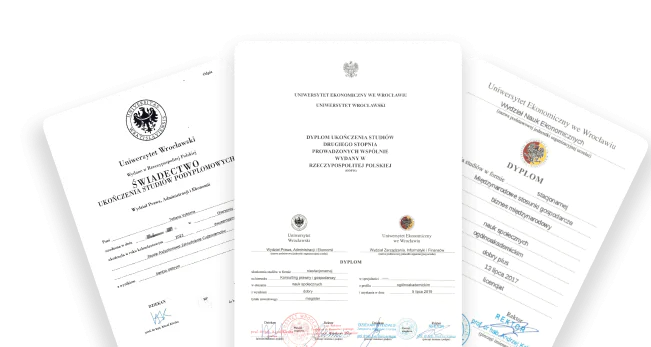
Our lawyers speak English fluently and are ready to help you obtain a residence permit, work permit, or other documents for foreigners in Poland. We have helped thousands of clients: from workers to large company owners. We do not just fill forms – we provide full support at every stage: from document preparation to receiving the physical residence card, and further if needed – to EU long-term resident or even citizenship.
Our founder, Tatiana Vyborna, has full Polish legal education and works directly with offices across Poland for many years. She personally knows many inspectors, maintains constant contact with voivodeship offices, and actively participates in professional LinkedIn discussions. Thanks to these connections and deep understanding of office internals, we often accelerate client case processing. Tatiana knows exactly how to contact the right inspector, what details to clarify, and how to avoid common errors causing months-long delays.
We operate across Poland – from Wrocław to Gdańsk, Warsaw to Katowice. We know each voivodeship’s specifics: stricter salary checks somewhere, more document requests elsewhere, faster fingerprint summons in others. This information comes from years of practice.

Tatiana personally trained many specialists now working independently, but our team remains the most cohesive. We are proud of creating our proven legalization system: from first consultation to final decision. No other company offers the same control and speed level – clients often come after failures elsewhere and get residence cards much faster.
Why choose us? Because we are not just lawyers – we are partners truly interested in your success in Poland. Our lawyers speak English (and other languages), explain everything simply, stay with you after submission, and are always available. If you want to legalize without unnecessary stress and delays – write or call ONE PLUS. The first consultation will help determine the best path for you.