Cancellation of Deportation from Poland
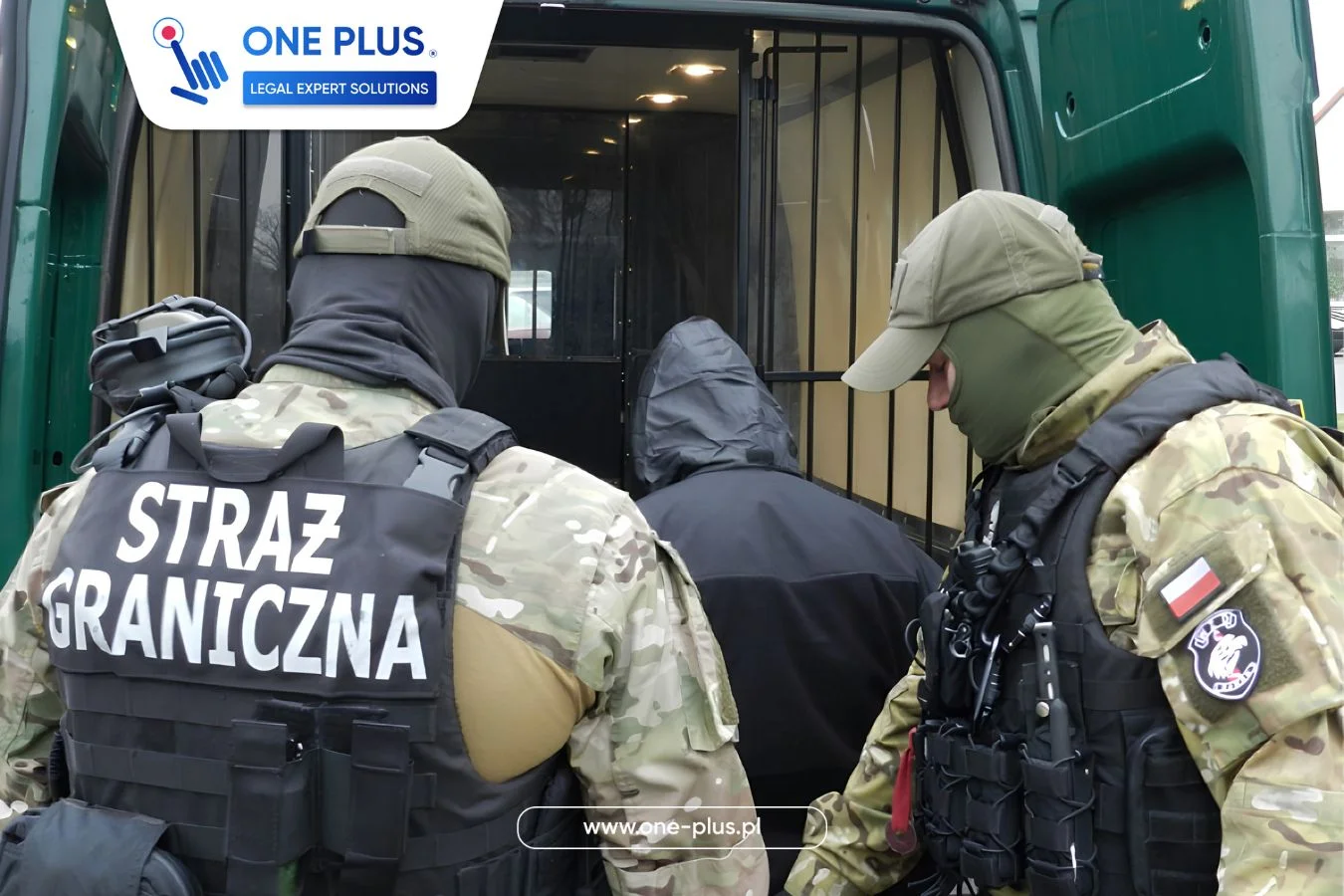
Cancellation of Deportation from Poland and Removal of Entry Bans
Receiving a deportation decision in Poland can be one of the most stressful situations for any foreigner. Many people immediately assume that nothing can be done and that their future in Poland or the Schengen Area is over. In reality, every case is different, and a deportation decision does not always mean that all legal options have been exhausted.
At ONE PLUS, we help foreigners analyze deportation decisions, assess the possibility of filing an appeal, verify SIS records, and prepare applications to lift entry bans imposed by Polish authorities. Thanks to years of experience working with immigration and legalization procedures, we understand how these cases are handled in practice and what arguments may increase the chances of a positive outcome.
Our office is located in Wroclaw, but we assist clients throughout Poland and internationally. We provide consultations in English, Polish, Ukrainian, and Russian.
What Is Commonly Referred to as Deportation in Poland?
In everyday language, foreigners often use the word “deportation” to describe any situation involving an obligation to leave Poland or a ban on returning. Legally, however, these are different procedures.
In most cases, the document issued by Polish authorities is a Decision Obliging a Foreigner to Return (Decyzja o zobowiązaniu cudzoziemca do powrotu). Depending on the circumstances, such a decision may include:
- A deadline for voluntary departure;
- Immediate enforceability;
- A ban on re-entering Poland;
- A ban on entering the entire Schengen Area;
- Registration in SIS (Schengen Information System);
- Additional administrative consequences.
For this reason, the most important step is not to panic but to carefully analyze the actual content of the decision.
Why Can a Foreigner Be Deported from Poland?
There are many legal grounds for issuing a return decision, but in practice the same situations appear most frequently.
The most common reasons include:
- Overstaying a visa or visa-free period;
- Staying in Poland without a valid residence permit;
- Working illegally or without proper authorization;
- Conducting business activities without the required legal basis;
- Violating visa conditions;
- Providing false or misleading information to authorities;
- Possessing fraudulent documents;
- Being listed in SIS or other databases of undesirable persons;
- Threats to public order, public security, or national security.
Many clients contact us after discovering that what seemed like a minor administrative mistake has resulted in serious immigration consequences.
Voluntary Departure vs. Forced Deportation
Not every deportation case is identical.
In many situations, authorities grant a period for voluntary departure. If the foreigner leaves Poland within the specified timeframe, the consequences may be less severe.
However, when a person ignores the decision or fails to comply with the departure deadline, authorities may initiate forced enforcement procedures.
This often results in:
- More serious immigration consequences;
- Longer entry bans;
- SIS registration;
- Greater difficulties when applying for visas or residence permits in the future.
Because of this, acting quickly after receiving the decision is critical.
Entry Ban After Deportation
One of the biggest concerns for foreigners is the entry ban that frequently accompanies a deportation decision.
Depending on the circumstances, the ban may apply to:
- Poland only;
- Poland and all Schengen countries.
The duration of the ban varies depending on the legal grounds and seriousness of the case.
In practice, entry bans may range from several months to several years.
Before taking any action, it is essential to determine:
- Whether a ban exists;
- Which territory it covers;
- How long it remains valid;
- Whether SIS registration has already been imposed.
SIS Registration and Why It Matters
The Schengen Information System (SIS) is a database used by Schengen countries to exchange information about individuals subject to immigration restrictions.
If a foreigner’s data has been entered into SIS, problems may arise when:
- Applying for a new visa;
- Crossing a border;
- Applying for a residence permit;
- Entering another Schengen country.
Many people incorrectly assume that once they leave Poland, the problem disappears automatically. Unfortunately, this is not always the case.
Before planning travel or submitting immigration applications, it is often advisable to verify whether an SIS alert exists.
Can a Deportation Decision Be Appealed?
Yes.
In many cases, a deportation decision can be challenged through the appropriate administrative procedure.
However, timing is crucial.
Missing the appeal deadline may significantly reduce available legal options.
A successful appeal is rarely based solely on requesting cancellation. Authorities generally expect:
- Legal arguments;
- Supporting documentation;
- Evidence of procedural errors;
- Humanitarian or family circumstances;
- Proof of legal grounds for continued stay.
Each case requires an individual legal assessment.
Can an Entry Ban Be Removed?
In certain situations, it is possible to apply for the lifting of an entry ban before it expires.
Whether this is possible depends on multiple factors, including:
- The grounds for the original decision;
- Compliance with departure obligations;
- Payment of any administrative costs;
- Humanitarian circumstances;
- Family ties;
- Professional or economic interests;
- The amount of time that has passed since the ban was imposed.
Many foreigners are unaware that submitting an application too early often leads to rejection. Before preparing documents, it is important to determine whether legal conditions for lifting the ban have already been met.
Special Considerations for Ukrainian Citizens
Ukrainian citizens may benefit from specific legal provisions introduced in Poland in recent years.
However, many people mistakenly believe that these regulations automatically protect them from deportation or entry bans.
In reality, each situation must be analyzed individually.
The existence of special protection measures does not automatically prevent authorities from issuing return decisions in every case.
Common Mistakes After Receiving a Deportation Decision
Over the years, we have seen many situations where the biggest problem was not the decision itself but the actions taken afterward.
The most common mistakes include:
- Ignoring the decision;
- Missing appeal deadlines;
- Entering another Schengen country instead of properly complying with the decision;
- Failing to verify SIS status;
- Applying for ban cancellation prematurely;
- Not paying required administrative costs;
- Relying on information from internet forums rather than professional legal advice.
In immigration matters, timing and proper strategy often make a significant difference.
How ONE PLUS Can Help
Every deportation case requires an individual approach. There is no universal solution that works for everyone.
At ONE PLUS, we help clients:
✅ Analyze deportation and return decisions;
✅ Assess appeal possibilities and deadlines;
✅ Verify SIS-related issues;
✅ Prepare applications to lift entry bans;
✅ Evaluate humanitarian and family grounds;
✅ Review immigration history and legal risks;
✅ Communicate with relevant Polish authorities;
✅ Build the most appropriate legal strategy for their situation.
Our goal is not simply to submit documents. We focus on helping clients understand their legal position, avoid costly mistakes, and choose the most effective path forward.
With more than 400 Google reviews, years of experience assisting foreigners in Poland, and recognition as Orły Prawa 2026, ONE PLUS has become one of the most trusted immigration and legalization consulting companies for foreigners in Poland.
Need Help with Deportation Cancellation or an Entry Ban?
If you have received a deportation decision, been entered into SIS, or are facing an entry ban to Poland or the Schengen Area, contact ONE PLUS.
The sooner your case is analyzed, the more legal options may still be available.
Our specialists will review your documents, explain your situation, and help determine the best course of action based on your specific circumstances.
