
How to Speed Up a TRC Decision in Poland in 2026–2027
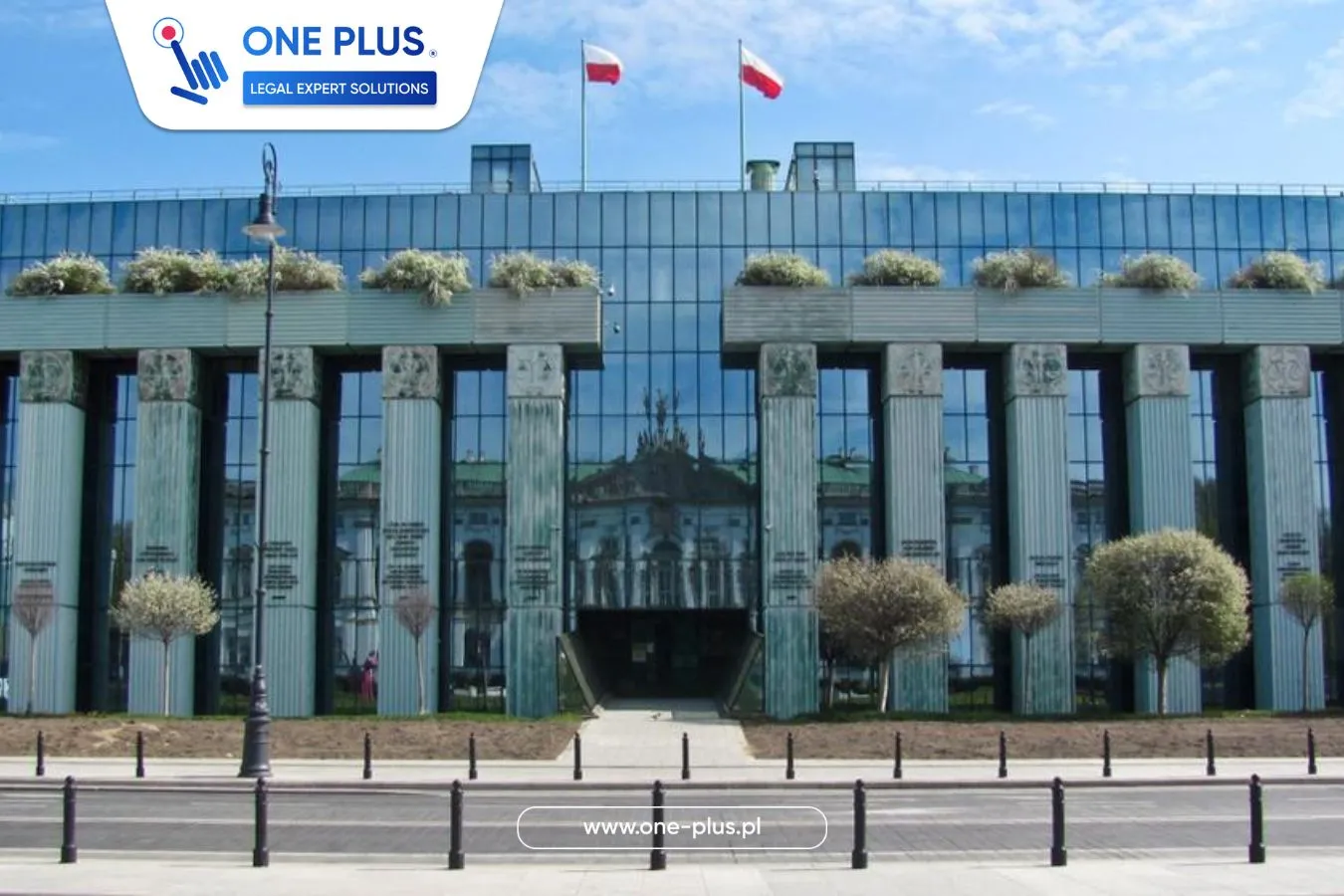
How to Speed Up a Residence Permit Decision in Poland in 2026–2027
Obtaining a residence permit in Poland has become a lengthy process for many foreigners. Even applicants with complete documentation and a strong legal basis for stay often find themselves waiting months. Sometimes they wait years for a decision from the Voivodeship Office.
Following the extension of special legislation and the continued suspension of administrative deadlines until 4 March 2027, many foreigners believe that there is no way to influence the pace of their case. In practice, this is one of the most common misconceptions.
Although immigration authorities currently have more flexibility when processing residence permit applications, this does not mean that proceedings have stopped. Applications continue to be reviewed. Additionally, inspectors issue requests for additional documents, fingerprint appointments are scheduled, and residence permit decisions are issued every day across Poland.
At ONE PLUS, we help foreigners navigate residence permit procedures throughout Poland. For more than 11 years, our team has supported clients in temporary residence permit, permanent residence permit, EU Long-Term Resident Permit, Blue Card and Polish citizenship cases. We assist not only with preparing applications but also with monitoring ongoing proceedings. In addition, we respond to requests from the authorities and use available legal mechanisms that may help move a case forward.
Why Residence Permit Cases Are Delayed in Poland
The growing number of foreigners applying for legalization of stay has placed significant pressure on Voivodeship Offices throughout Poland. Since the COVID-19 pandemic and the migration changes that followed the war in Ukraine, immigration departments have experienced record numbers of applications.
As a result, authorities introduced special provisions allowing for the suspension of standard administrative deadlines in immigration matters. While these regulations provide additional time for public authorities to process applications, they do not eliminate the obligation to conduct proceedings. Furthermore, they do not eliminate the obligation to issue decisions.
This distinction is important. A suspended deadline does not mean a suspended case.
Many residence permit applications continue moving through the system, while others remain inactive for long periods. The difference often depends on the quality of the documentation, communication with the authority and the overall management of the proceedings.
Keeping Your Documentation Updated Matters More Than Ever
One of the most overlooked reasons for delays is outdated documentation.
Residence permit proceedings frequently last much longer than originally anticipated. During that period employment contracts change, salaries increase, insurance policies expire, employers issue new certificates and personal circumstances evolve.
When documentation in the file no longer reflects the applicant’s current situation, the Voivodeship Office may issue additional requests for documents. Alternatively, they may suspend further analysis until missing information is provided.
For this reason, residence permit applications should not be treated as a one-time submission. Ongoing review of the file and regular updates to important documents can significantly reduce the risk of unnecessary delays.
This is particularly important in cases involving employment-based residence permits, Blue Cards, business activity, family reunification and other applications where supporting documentation may change over time.
Can a Residence Permit Application Be Accelerated?
In many situations, yes.
No legal representative can guarantee a specific decision date, as the final decision always remains with the public authority handling the case. However, experience shows that properly managed cases often progress more efficiently than applications that remain completely passive for months or years.
The speed of a residence permit case is influenced by several factors, including the quality of the documentation, responsiveness to official requests, communication with the assigned inspector and whether procedural measures have been taken to address excessive delays.
Many applicants assume that the best strategy is simply to wait. Unfortunately, this approach often results in long periods of inactivity.
In practice, cases that remain under active procedural supervision are frequently reviewed sooner than those receiving no attention.
A Key Court Judgment from Wrocław in 2026
An important development for foreigners waiting for a residence permit in Poland was the judgment issued by the Voivodeship Administrative Court in Wrocław on 19 February 2026 (case no. II SAB/Wr 1332/25).
In this case, the court confirmed that the Lower Silesian Voivode had excessively prolonged the administrative proceedings concerning a foreign national’s residence permit application.
II SAB/Wr 1332/25
What makes this judgment particularly significant is that the court reached this conclusion despite the continued application of special provisions suspending certain administrative deadlines until 4 March 2027.
The ruling demonstrates that administrative authorities are still subject to judicial oversight and that immigration proceedings cannot remain inactive indefinitely without justification.
For foreigners waiting months or even years for a TRC (Temporary Residence Card), permanent residence permit, or EU long-term resident permit, this judgment sends a clear message:
- administrative courts continue to review inactivity and excessive delays;
- Voivodeship Offices must justify prolonged proceedings;
- properly prepared court complaints remain an effective legal tool;
- immigration authorities are not exempt from judicial scrutiny;
- external legal pressure can encourage progress in delayed cases.
Although court proceedings do not automatically result in financial compensation or an immediate decision, they often place significant administrative pressure on the authority handling the case.
In practice, once a complaint is filed, it is common to see increased activity in the proceedings. This includes requests for additional documents, verification of submitted evidence, scheduling of fingerprint appointments, renewed communication from the inspector, or even the issuance of a final decision.
For this reason, court complaints remain one of the most effective legal mechanisms available to foreigners whose residence permit applications have been pending for an unreasonable period of time.
How Administrative Court Complaints Can Help
One of the most effective legal instruments available in cases of excessive delay is a complaint submitted to the Voivodeship Administrative Court (Wojewódzki Sąd Administracyjny).
Although legislative changes have reduced the practical significance of compensation claims related to delayed proceedings, court complaints continue to play an important role in immigration cases.
Once a complaint is filed, the authority must formally explain the status of the proceedings and provide reasons for the delay. This introduces external oversight and often results in renewed activity within the case.
In many situations applicants begin receiving requests for documents, fingerprint appointments, updates from the inspector or even final decisions. This often happens shortly after legal action has been initiated.
While every case is different and no outcome can be guaranteed, administrative court proceedings remain one of the most important procedural tools available to foreigners experiencing prolonged delays.
Why Communication With the Inspector Is Important
Many foreigners focus exclusively on legal remedies and overlook the practical importance of communication with the assigned case officer.
In reality, inspectors are responsible for managing large numbers of immigration files simultaneously. Well-organized documentation, timely responses and professional communication often make it easier for the authority to finalize a case.
At ONE PLUS, we do not believe in creating unnecessary conflict with public authorities. Instead, we focus on ensuring that every case remains active, properly documented and professionally presented throughout the proceedings.
Our experience shows that a carefully managed relationship with the Voivodeship Office can often be just as important as formal legal action.
Expert Commentary
According to Tatiana Vyborna, President of ONE PLUS and an immigration specialist with more than 11 years of practical experience assisting foreigners in Poland, obtaining a residence permit has become significantly more complex in recent years.

In many cases, submitting a complete application is only the beginning of the process. The overall outcome often depends on how the case is managed throughout the administrative proceedings, how quickly requests from the authorities are addressed, and whether the applicant understands the practical aspects of the immigration system.
Based on our experience, lengthy delays are not always caused by a lack of eligibility for a residence permit. More often, they result from incomplete documentation, outdated supporting evidence, missed deadlines, communication issues with the authorities, or procedural mistakes made during the application process.
This is why effective case management goes beyond preparing the initial application. It requires ongoing monitoring of the proceedings, maintaining up-to-date documentation, responding promptly to official requests, and understanding how Polish immigration authorities handle residence permit cases in practice.
Over the years, we have seen that a well-prepared strategy and active involvement throughout the process can significantly reduce the risk of unnecessary delays and improve the overall efficiency of a residence permit application.
For this reason, applicants should view the residence permit process as an ongoing administrative procedure rather than a single submission of documents. Proper preparation, continuous supervision, and professional guidance can make a substantial difference in the outcome and timing of a case.
How ONE PLUS Helps Accelerate Residence Permit Proceedings
Over the years, we have developed extensive practical experience working with immigration cases across Poland.
Before recommending any strategy, we analyse the entire procedural history of the case. This includes the application date, current stage of proceedings, communication with the authority, document status, fingerprint appointments and potential legal risks.
Based on this assessment, we identify the most effective steps available under Polish administrative law.
Depending on the circumstances, this may include updating documentation, preparing official submissions, filing a formal reminder (ponaglenie), initiating court proceedings or maintaining structured communication with the assigned inspector.
Our goal is not to bypass the administrative process. Our goal is to ensure that the case receives proper attention, remains legally protected and moves forward as efficiently as possible within the framework of Polish law.
Final Thoughts
Despite the continued suspension of administrative deadlines until March 2027, residence permit cases in Poland are still being processed every day.
Applicants who actively monitor their proceedings, maintain updated documentation and use available legal mechanisms when necessary often place themselves in a significantly stronger position. This is true when compared to those who simply wait without taking action.
For foreigners facing long processing times, understanding how the system works in practice can make a substantial difference.
With proper preparation, ongoing supervision and professional support, it is often possible to improve the efficiency of a residence permit case. As a result, you can increase the likelihood of receiving a decision sooner.